|
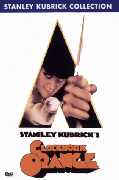
A Clockwork Orange
(1971) 
Kritikk
Stanley Kubricks A Clockwork Orange
er et strålende, utspekulert stilstudium i visuelle virkemidler. Alt er utnyttet
til fulle i denne meget omtalte filmen. I 1971 ble den for drøy kost for mange.
Filmen er basert på den britiske forfatteren Anthony Burgess' bok, og som seg
hør og bør gjorde ikke Kubrick filmen
akkurat mildere.
A Clockwork Orange er en
hardtslående og samfunnskritisk film der hovedpersonen brukes som redskap. Vi dras inn i Alex' forskrudde
verden og klarer ikke å komme ut av den. Mot vår egen vilje
får vi sympati for den voldelige unge mannen. Alex er intelligent,
stilig og tiltrekkende. Han er en perfeksjonist og samtidig en
unnasluntrer. Alle hans ofre blir fremstilt på en måte som gjør at
vi ikke stiller oss på deres side - vi kommer heller aldri inn
på livet deres. Det er Alex' synsvinkel vi deler. Han er
vår "humble narrator" gjennom hele filmen. Med A
Clockwork Orange styrer Kubrick seeren til fulle.
Historien er
original i seg selv, men det er det visuelle og stilistiske som var
revolusjonerende. Å lage en fremtidsrettet film har aldri vært
enkelt. Denne filmen er ikke rettet langt frem i tid, men den er likefullt utmerket i så måte. Kubricks rytme og herlige visuelle
effekter kombinert med Burgess egenutviklede sjargong, med
termer som
"droogies", "the old inout inout",
"devotsjka" o.s.v. gjør A Clockwork Orange til et
must for alle filminteresserte.
| Copyright © 17.4.1997
Fredrik Gunerius Fevang
|
|
|